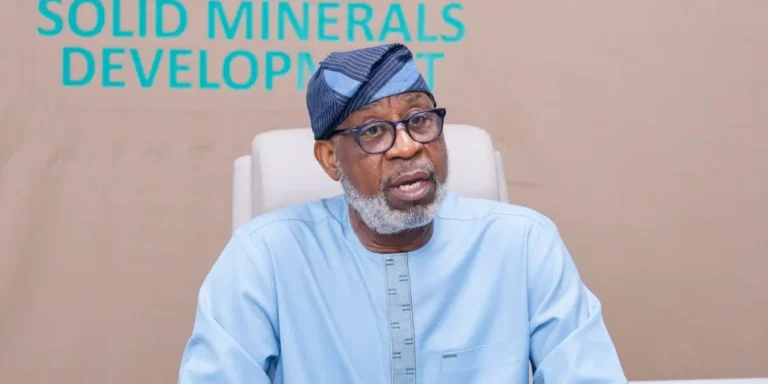
The Federal Ministry of Solid Minerals Development has unveiled plans to create an Artisanal and Small-Scale Mining Development Fund, a financing initiative designed to support small-scale operators while improving oversight and compliance across the mining industry.
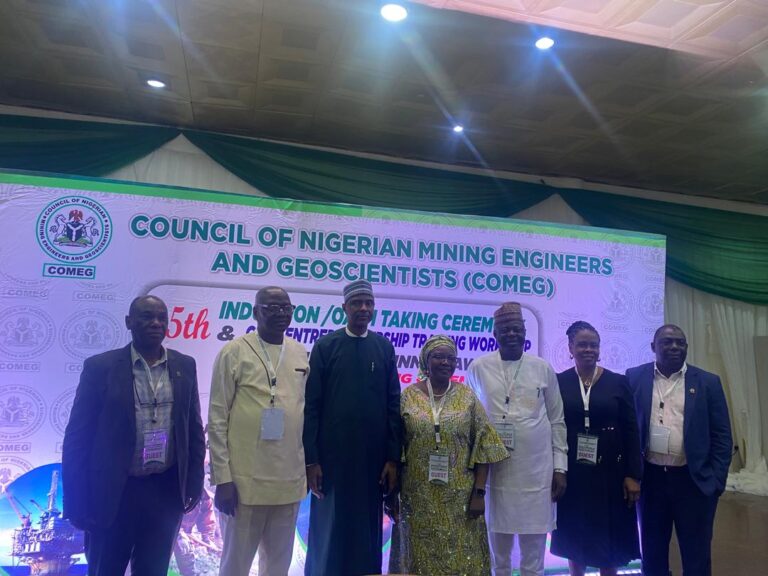
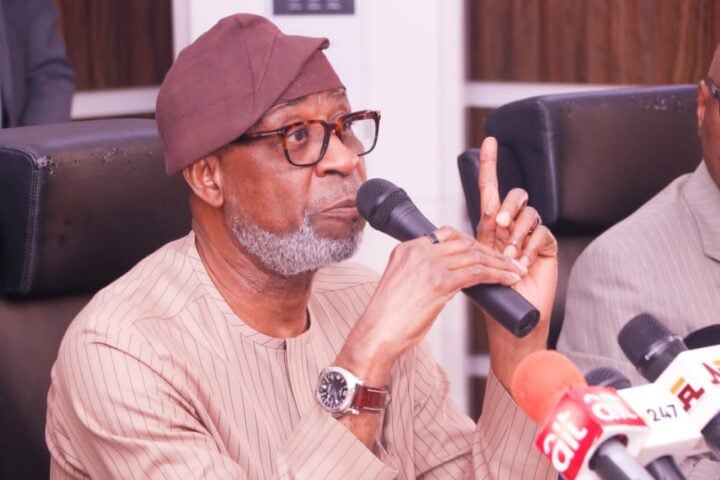
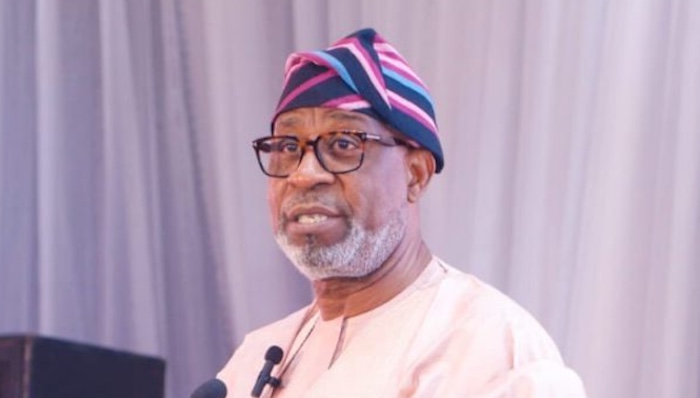
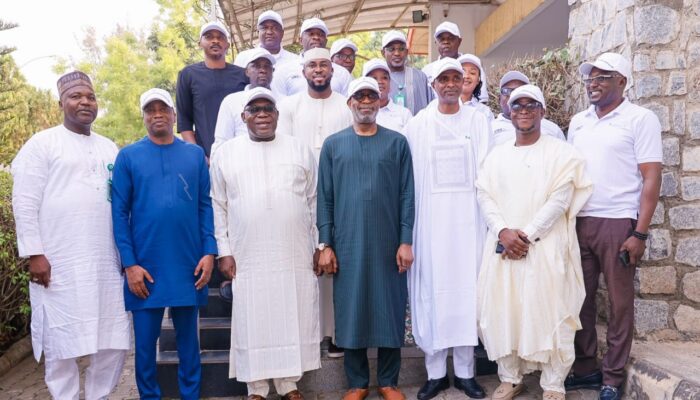
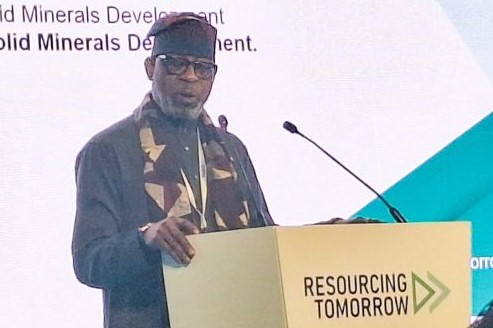
The announcement was made in Abuja by the Minister of Solid Minerals Development, Dr. Dele Alake, during the induction ceremony of 259 new members of the Council of Nigerian Mining Engineers and Geoscientists (COMEG). According to the minister, the fund will also serve as a launchpad for newly inducted professionals seeking to move from training into entrepreneurial mining ventures.
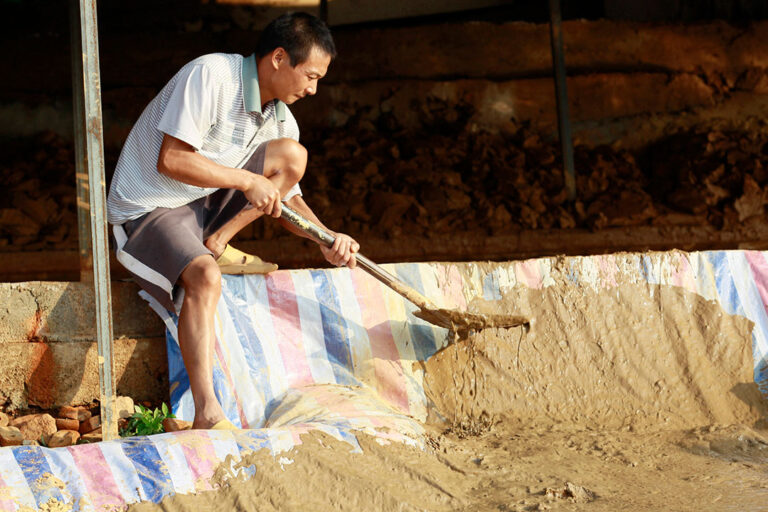
Dr. Alake explained that expanding COMEG’s membership would help formalize artisanal mining activities by organizing operators into cooperatives. This structure, he said, would make it easier for miners to access the proposed Development Fund while curbing illegal mining nationwide.
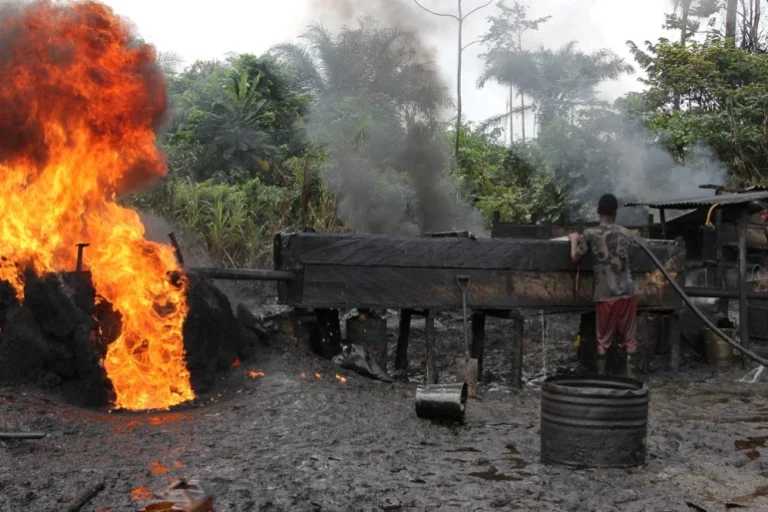
He noted that stronger laws and enforcement efforts, combined with COMEG’s updated disciplinary framework, would ensure strict sanctions against illegal mining, environmental abuse, and professional misconduct—areas under the Council’s regulatory authority.
Commending COMEG for aligning its objectives with the Federal Government’s economic diversification strategy, the minister reminded the new inductees that their oath represented a commitment to ethical conduct and professional excellence.
Speaking through the ministry’s Permanent Secretary, Farouk Yabo, Dr. Alake highlighted that institution-building is central to the ministry’s seven-point agenda. He encouraged the inductees to pursue continuous learning, mentor upcoming professionals, and adopt modern technologies in their practice.
He urged them to see themselves as drivers of change under the Renewed Hope Agenda, stressing the importance of safety innovation, environmental responsibility, value addition to mineral resources, and knowledge transfer to future generations.
Dr. Alake further described COMEG as a critical institution in positioning Nigeria’s solid minerals sector as a competitive player within Africa, assuring the Council of sustained legislative and financial backing from the ministry.
In his address, COMEG Registrar Prof. Zachaus Opafunso noted that despite the withdrawal of government subvention, the Council has remained operational through internally generated revenue and ministerial support. He added that COMEG continues to organise capacity-building programmes aimed at youth empowerment and self-employment.
Prof. Opafunso encouraged the inductees to leverage their training to establish mining-related businesses and engage in professional geoscience consultancy, stressing that certification is key to benefiting from foreign investment. He explained that most investors come from jurisdictions with strict regulatory standards and prefer working with properly accredited professionals.
Delivering a presentation titled “Regulatory Framework for Mining and Geoscience Practice in Nigeria,” Dr. Akpoghome Theresa Uzoamaka called for a review of COMEG’s enabling legislation. She pointed out that the Act, which has been in place for over 35 years, needs updating to strengthen the Council’s authority and align regulation with modern technology and current sector realities.
Several inductees described the recognition as a turning point for their professional careers. One of them, Seidu Kabiru, said formal registration would bring structure to their work and enhance productivity.
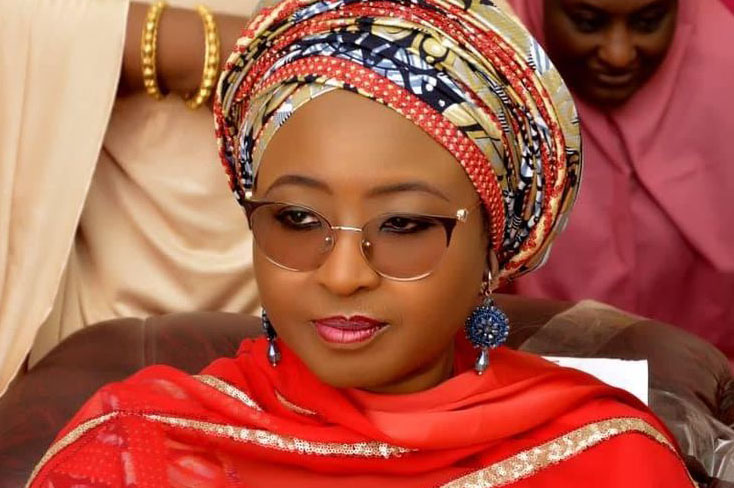
Also inducted was the **Special Adviser on Mining and Policy to the Minister, Amira Ademu Waziri, who emphasized COMEG’s central role in professional development within the mining industry. She described the Council as the foundation of professional accreditation in Nigeria’s mining sector and outlined her personal commitment to nation-building through responsible exploitation of the country’s vast mineral resources to promote inclusive economic growth.
Collectively, the new members pledged to apply their training and expertise toward advancing Nigeria’s mining industry and supporting broader national economic development.